




Economic Unions in Islamic Countries
Introduction
The growth in the volume and diversity of global trade has led to the creation of more opportunities, and thus economic interconnection between different entities. The Chambers of Commerce proved their effectiveness in developing the volume of global trade as entities that work to support cooperation and coordination between the parties concerned. Therefore, there has become an urgent need to establish joint chambers of commerce and economic unions “what are usually called economic blocs”.
The term “economic blocs” emerged in the world during the twentieth century after World War II, as a result of the desire of many countries to join integrated regional blocs, or what is known as economic integration, in its traditional sense, to achieve economic and political stability. In this context, Europe is the birth of the largest regional bloc in the world, which is the European Union, which was established based on the Maastricht Agreement signed in 1992, which emerged from the European Economic Community agreement in 1957. Since then, a number of regional economic blocs have emerged in Asia, the two Americas, and Africa.
The economic bloc aims to enhance economic integration among a group of countries, through liberalizing trade exchange between them, coordinating financial and monetary policies, and achieving a kind of protection for their national products. It also aims to reduce the cost of development by reducing import costs and achieving optimal exploitation of available resources. Improving the investment climate by expanding the market circle and unifying or converging investment facilities, incentives and exemptions, as well as coordinating economic policies to meet the economic problems and crises.
The types of economic integration are as follows:
Free trade zone
Customs Union
Common Market
Economic Union
Complete Economic Integration
This publication comes within the framework of the Islamic Chamber’s strategy, which aims to create awareness, disseminate knowledge and to shed light on economic organizations and unions in the Islamic world, as well as the joint chambers of commerce. The objective is to clarify the extent of their effectiveness in achieving the economic integration, which has today become means of development, which represents a guarantee for enhancing the well-being and economic security of people – regardless of how different the concepts and methods expressing this means are.
These unions have been able – throughout their journey – to achieve important achievements, through developing channels of cooperation in various commercial, industrial, agricultural, technological and service fields.
Accordingly, in this issue we will present lists of economic unions and joint chambers in Islamic countries, in terms of their origin, member states, objectives, areas of work, and contact information.
Regional, International Organizations and Joint Chambers of Commerce
The Arab Mediterranean Free Trade Agreement (Agadir Technical Unit)
The Agadir Declaration was launched in Morocco in May 2001, in which Jordan, Tunisia, Egypt, and Morocco announced their desire to establish a free trade area among themselves, with the encouragement of the European Union.
The four founding countries signed the Agadir Agreement on February 25, 2004, in Rabat – Kingdom of Morocco. The agreement then entered into force on July 6, 2006 after the completion of its ratification procedures by the four countries.
The actual implementation of the agreement began on March 27, 2007, after customs ports in the four countries were notified of the start of implementation.
Member States
Four Mediterranean Arab countries – Jordan, Tunisia, Egypt and Morocco – signed the Agadir Declaration in 2001, in which they expressed their intention to establish a free trade area among themselves. This declaration represented the first step towards establishing the foundations of a Euro-Mediterranean region for free trade between these countries and the European Union. This initiative received political and financial support from the European Union, as it constitutes a contribution to achieving the goals of the Barcelona Declaration, which launched the Euro-Mediterranean Partnership and established a framework for political, economic, cultural and social cooperation in Euro-Mediterranean region.

Tunisia

Morocco

Egypt

Jordan
Main Objective
The agreement aims to establish a free trade area between the party states, and increase intra-trade exchange on the one hand, and with the European Union on the other hand. It also aims to increase industrial integration among the Arab Mediterranean countries by applying the Euro-Mediterranean rules of origin, and achieving the principle of accumulation of origin, which enhances the export ability of the member states to access the markets of the European Union countries, and contributes to attracting more European and global foreign direct investments.
Work Fields
Contact information
The Cooperation Council For The Arab States of The Gulf
Foundation
The Cooperation Council for the Arab States of the Gulf – or also known as the Gulf Cooperation Council or the Cooperation Council for the Arab Gulf States – is an Arab regional political, economic, military, and security organization, made up of six Arab countries that overlook the Arabian Gulf and constitute the majority of the area of the Arabian Peninsula, which are: The Kingdom of Saudi Arabia, the Sultanate of Oman, the United Arab Emirates, the State of Kuwait, the State of Qatar, and the Kingdom of Bahrain.
The Cooperation Council for the Arab States of the Gulf was established on May 25, 1981, during the meeting held in the Emirati capital, Abu Dhabi, and the former Emir of Kuwait, Sheikh Jaber Al-Ahmad Al-Sabah, was the initiator of the idea of its establishment.
The Council is headquartered in the Saudi capital, Riyadh.
Member States

Kingdom of Bahrain

Sultanate of Oman

State of Kuwait

United Arab Emirates

Kingdom of Saudi Arabia

State of Qatar
Objectives
The basic objectives of the Cooperation Council are as follows:
- Achieving coordination, integration and interconnection between member states in all fields to achieve their unity.
- Deepening and strengthening the ties, connections and aspects of cooperation that exist between the peoples of member states in various fields.
- Establishing similar systems in various fields, including the following matters:
- Economic and financial affairs
- Commercial affairs, customs and transportation
- Educational and cultural affairs
- Social and health affairs
- Media and tourism affairs.
- Legislative and administrative affairs.
- Promoting scientific and technical progress in the fields of industry, mining, agriculture, aquatic resources and livestock.
- Establishing scientific research centers, creating joint projects, and encouraging private sector cooperation for the benefit of the peoples of member states.
Organizational Structure
1- The Supreme Council:
It is the supreme authority of the Cooperation Council, and is composed of the heads of member states, and its presidency is rotating according to the alphabetical order of the names of the countries. The Council meets in a regular session every year, and special sessions may be held based on the invitation of any member state and the support of another member.
At the Abu Dhabi summit in 1998, the Supreme Council decided to hold a consultative meeting between the previous and subsequent summits. The Council’s meeting is considered valid if two-thirds of the members are present, each of whom has one vote, and its decisions on the issues are issued unanimously by the member states present and participating in the vote, and by a majority on procedural matters.
Advisory body of the Supreme Council
It is composed of thirty members, five members from 8 each member state who are selected with experience and competence for a period of three years. The Commission is responsible for studying what is referred to it by the Supreme Council.
The Commission for the Settlement of Disputes
The dispute settlement body formed by the Supreme Council is affiliated with the Supreme Council in each case according to the nature of the dispute.
2- The Ministerial Council:
The Ministerial Council consists of the foreign ministers of member states or their representative ministers, and its presidency is for the state that assumed the presidency of the last regular session of the Supreme Council. The Council holds its meetings once every three months, and may hold extraordinary sessions based on the invitation of any member and the support of another member. Its meeting is considered valid if two-thirds of the member states are present.
The powers of the Ministerial Council include – among other things – proposing policies, developing recommendations aimed at developing cooperation among member states, and working to encourage and coordinate existing activities among member states in various fields. Decisions taken in this regard are referred to the Ministerial Council, which submits them – by recommendation – To the Supreme Council whatever requires its approval.
The Council also undertakes the task of preparing for the meetings of the Supreme Council and preparing its agenda. Voting procedures in the Ministerial Council are similar to those in the Supreme Council.
3- The General Secretariat:
The duties of the General Secretariat are to prepare studies to enhance cooperation, coordination and integration in joint Gulf action plans, programs and projects, prepare periodic reports on the work of the Council, follow up on the implementation of decisions, prepare reports and studies requested by the Supreme Council or the Ministerial Council, prepare for meetings and prepare meeting agendas. The Ministerial Council, draft resolutions, and other tasks stipulated in the statute of the Cooperation Council.
According to the new organizational structure of the General Secretariat – which was approved by the Ministerial Council, which was held on November 25, 2014 – the administrative body of the General Secretariat consists of the following;
A- Secretary-General
Appointed by the Supreme Council for a period of three years, renewable once.
B- Five Assistant Secretaries General
For political affairs and negotiations, economic and development affairs, military affairs, security affairs, and legislative and legal affairs. They are appointed by the Ministerial Council upon nomination by the Secretary-General for a period of three years, subject to renewal.
C- Four Heads
Of Specialized Sectors for political affairs, negotiation affairs, economic affairs, human affairs and the environment, directly linked to the relevant Assistant Secretaries General. They are appointed by the Ministerial Council upon nomination by the Secretary-General for a period of three years, subject to renewal.
D- Five Heads of Missions
for Foreign Offices, directly linked to the relevant Assistant Secretaries General. They are appointed by the Ministerial Council upon nomination by the Secretary-General for a period of three years, subject to renewal.
E- Five General Directors
for the following sectors: Office of the Secretary-General, Coordination and Follow-up, Strategic Planning and Institutional Excellence, Media and Strategic Communication, Financial and Administrative Affairs, Information Affairs, and Protocol, and they are appointed by the Secretary-General.
The Organizational Structure of the General Secretariat of the Cooperation Council for the Arab States of the Gulf
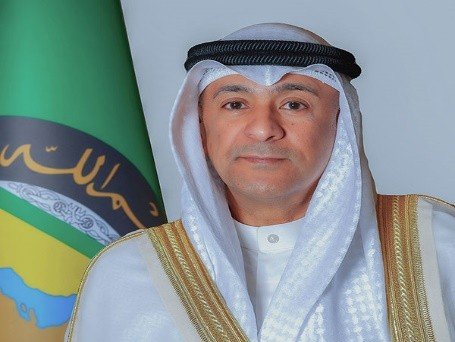
The current Secretary-General is: H.E. Jasem Mohamed AlBudaiwi
Work Fields
- Economic cooperation
- Gulf Customs Union
- Joint military action
- Cooperation with the Republic of Yemen
- Regional cooperation and economic relations with other countries and groups
- Judicial and legal cooperation
- Security cooperation
- Cooperation in the field of zakat
- Cooperation in the fields of accounting and financial auditing
- Strategic dialogues with countries and regional groups
- Human and environmental fields
- Foreign Policy
- Cultural and media cooperation
- Economic relations with countries and international economic groups
Contact information
Economic Cooperation Organization (ECO)
Foundation
The Economic Cooperation Organization (ECO) is an international organization that organizes the governments of seven Asian and three European countries, across an area of 8,620,697 km2, namely Azerbaijan, Afghanistan, Uzbekistan, Iran, Pakistan, Turkey, Turkmenistan, Tajikistan, Kyrgyzstan, and Kazakhstan, with the aim of cooperation in the economic and trade field.
The General Secretariat and the cultural department of the organization are located in Tehran, while the economic office is located in Turkey, and the scientific office is located in Pakistan.
The Economic Cooperation Organization was founded in 1964 under the name “Regional Cooperation for Development (RCD)“, by Iran, Pakistan and Turkey. The organization was renamed the “Economic Cooperation Organization” in 1985. In 1992, following the collapse of the Soviet Union, the Islamic Republic of Afghanistan and six former Soviet republics, namely the Republic of Azerbaijan, the Republic of Kazakhstan, the Kyrgyz Republic, the Republic of Tajikistan, Turkmenistan and the Republic of Uzbekistan, joined.
Member States

Afghanistan

Iran

Pakistan

Turkmenistan

Kazakhstan

Azerbaijan

Uzbekistan

Türkiye

Tajikistan

Kyrgyzstan
Objectives
- Sustainable economic development of member states.
- The gradual removal of trade barriers and the promotion of intra-trade, as the ECO region plays a greater role in the growth of global trade, and the gradual integration of the economies of member states with the global economy.
- Developing the transportation and communications infrastructure that connects member states to each other on the one hand, and to the outside world on the other hand.
- Economic liberalization and privatization.
- Mobilize and utilize the material resources of the ECO region.
- Regional cooperation to combat drug abuse and protect the environment, strengthen historical and cultural ties between the peoples of the ECO region, and mutually beneficial cooperation with regional and international organizations.
- Sovereignty equality between member states, and achieving mutual benefit.
- Linking national economic and development plans to the immediate and long-term goals of the Economic Cooperation Organization to the greatest extent possible.
- Make joint efforts to freely access markets outside the ECO area.
- Effective use of ECO institutions and cooperative agreements and arrangements with other regional and international organizations, including multilateral financial institutions.
- Joint endeavors to develop a coordinated approach to participation in regional and global arrangements.
- Achieving a strategy of economic cooperation and exchanges in the educational, scientific, technical and cultural fields.
Organizational Structure
The headquarters of the General Secretariat of the Economic Cooperation Organization is located in Tehran – Iran, where the General Secretariat includes professional employees and assisting employees who are citizens of member states. Temporary consultants/experts are also appointed to perform special tasks and duties. The Secretariat is responsible for supporting Members and the Organization through Secretariat services, including convening and program support. The Secretariat also participates in initiating, implementing and monitoring ECO regional projects and programmes. It also manages the external relations of the Economic Cooperation Organization.
Council of Ministers
The Council of Ministers (COM) is the highest policy-making and decision-making body, composed of various foreign ministers or other representatives of ministerial rank. The Council meets at least once a year, alternating between member states.
Council of Permanent Representatives
The Council of Permanent Representatives is a permanent intergovernmental body of the Economic Cooperation Organization responsible, on behalf of and in the name of the Council of Ministers, for advancing policies established by the Council of Ministers. It also makes the necessary preparations for decision-making by the Council of Ministers.
Permanent Representatives/Ambassadors of Member States accredited to the Economic Cooperation Organization are members of the Program and Reconciliation Committee, which meets whenever necessary under the chairmanship of the representative of the Member State who holds the presidency of the Council of Ministers.
Regional Planning Council
The Regional Planning Council (RPC) is the main technical planning body within the ECO, bringing together the heads of planning organizations in Member States as well as officials and experts from national ministries and sector agencies. The Council holds its annual meetings before the regular meeting of the Council of Ministers, headed by the representative of the member state who assumes the presidency of the Council of Ministers. The meetings are usually held at the ECO headquarters in Tehran.
The Regional Planning Council is responsible for preparing work programs to achieve the organization’s goals, in addition to evaluating previous programs. He may also propose to the Council of Ministers the establishment of regional institutions and specialized committees in priority areas of cooperation.
General Secretariat
The ECO Secretariat is located in Tehran, Iran. The Secretariat is staffed with professional and support staff who are nationals of Member States. Temporary consultants/experts are also contracted to perform special tasks and duties. The Secretariat is responsible for supporting Members and the Organization through Secretariat services, including support for convening meetings and programmes.
Secretary General
The Council of Ministers shall elect and appoint the Secretary-General of the Economic Cooperation Organization from among the candidates nominated by Member States on the basis of appropriate qualifications and experience, as stipulated in the Statute for the Staff of the Economic Cooperation Organization Secretariat.
The Secretary-General, as the chief administrative officer of the Organization, is responsible for all activities of the Organization. He carries out his duties over a non-renewable three-year term.
He current Secretary-General of the Economic Cooperation Organization is H.E. Amb. Khusrav NOZIRI (Tajik nationality).
Deputies of the Secretary-General
Work Fields
The activities of the Economic Cooperation Organization are implemented through the directorates under the supervision of the Secretary-General and his deputies, which study and develop projects and programs of mutual benefit in the following areas:


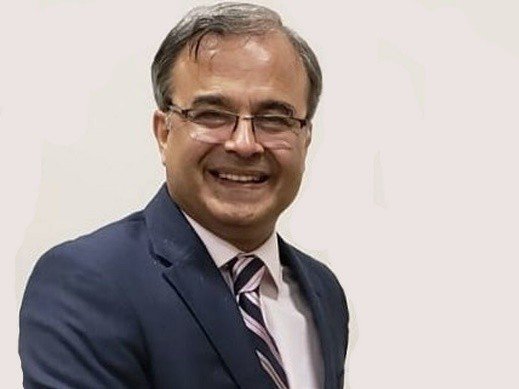
The current Secretary-General is: H.E. Dr. Asad Majeed Khan
Contact information
ORGANIZATION Of TURKIC STATES (formerly known as the Cooperation Council of Turkic Speaking States (CCTS))

Foundation
The Organization of Turkic States, whose official name is “Cooperation Council of Turkic-Speaking Countries (CCTS), is an international organization founded on October 3, 2009. Its general secretariat is located in Istanbul. It includes 5 countries: Azerbaijan, Turkey, Kyrgyzstan, Uzbekistan, and Kazakhstan.
Kazakh President Nur Sultan was the first to propose the idea of establishing this organization in 2006, with the aim of forming an entity that unites the Turkish-speaking countries, similar to international blocs such as the European Union and the League of Arab States, and it is expected that Turkmenistan will join the council.
Member States
Azerbaijan
Uzbekistan
Türkiye
Kazakhstan
Kyrgyzstan
Objectives
- Strengthening mutual trust and friendship between the parties.
- Developing common positions on foreign policy issues.
- Coordinating actions aimed at combating international terrorism, separatism, extremism and cross-border crimes.
- Promoting effective regional and bilateral cooperation in all areas of common interest.
- Creating favorable conditions for trade and investment.
- Achieving comprehensive and balanced economic growth, and promoting social and cultural development.
- Expanding the scope of interaction in the fields of science, technology, education, health, culture, sports and tourism.
- Encouraging interaction between the media and other means of communication.
- Promoting the exchange of relevant legal information and enhancing legal cooperation.
Organizational Chart
The main organs of the Turkic States Organization

The main deciding body of the organization is the Council of Heads of State, which is chaired by the country holding the presidency of the office (alternating in alphabetical order). The Republic of Türkiye currently holds the presidency.
The organization’s activities are coordinated and supported by its General Secretariat located in Istanbul.
The Turkic States Organization also serves as an umbrella organization for existing cooperation mechanisms such as the International Turkish Culture Organization (TURKSOY), the Turkic Speaking Countries Parliamentary Assembly (TURKPA), the International Turkish Academy, the Turkish Culture and Heritage Foundation, the Turkish Heritage Foundation, and the Chamber of Commerce and Industry.
President
Each member state holds the presidency of the OTS for one (calendar) year, rotating according to the English alphabetical order of the official names of the member states.
The President of the Member State holding the Presidency shall serve as the current President. (The current presidential duties are exercised by the Ministry of Foreign Affairs of that country)
During the Istanbul Summit held in November 2021, the Republic of Azerbaijan handed over the presidency of the organization to the Republic of Turkey, until the next summit, which will be held in 2022 in Uzbekistan.
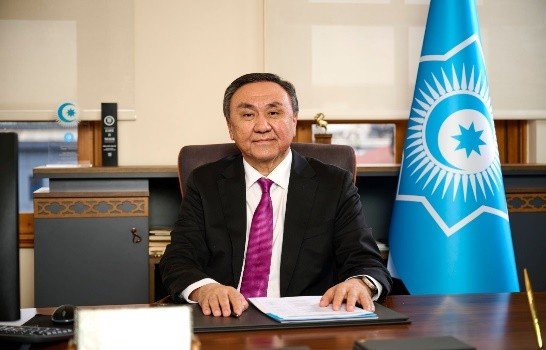
The current Secretary-General is: H.E. Kubanychbek Omuraliev
Work Fields
Cooperation between member states on the following issues:


Contact information
WEST AFRICAN ECONOMIC AND MONETARY UNION
Foundation
The Union was established on May 12, 1962, with five countries as members: Benin, Burkina Faso, Ivory Coast, Niger, and Senegal. The following year, Togo joined the Union, then Mali joined in 1984. In 1973, the Union Agreement was revised to add more powers to the Central Bank of the countries. West Africa: The West African Development Bank was also established, and a new cooperation agreement was signed with France.

Member States

Burkina Faso

Guinea Bissau

Niger

Togo

Benin

Ivory Coast

Mali

Senegal
Objectives
- Liberalizing trade and eliminating customs restrictions among member states.
- Establishing a free trade zone and adopting a common external tariff.
- Establishing a common trade policy.
- Removing obstacles to the freedom of movement of people, goods, services and capital, and the right to residence and establishment.
- Establishing an economic unit by adopting joint policies in the economic, financial, social and cultural fields.
- Establishing a monetary union among the countries of the region.
- Encouraging joint projects between the private sector and other actors in the economic field, especially through adopting a regional agreement on cross-border investments.
- Taking measures to integrate the private sector, especially with regard to creating an enabling environment to encourage small and medium-sized enterprises.
- Harmonizing and unifying national investment laws among all Community countries, and promoting balanced development of the region, paying attention to the special problems of each Member State, especially coastal and small islands in Member States such as Cape Verde.
- Encouraging and strengthening relationships and enhancing the flow of information.
- Adopting population policies that take into account the need for a balance between demographic factors and social and economic development.
- Establishing a fund for cooperation, compensation and development.
Organizational Structure
The Conference of Heads of State and Government
It is the highest authority in the Union. It is responsible for setting general directions, plans and special policies, and verifying the progress of work to achieve the goals. In accordance with the agreements establishing the Union, the Conference has the right to establish institutions and advisory bodies.
The Council of Ministers
Among its tasks are to verify the implementation of the general directives of the Conference of Heads of State and Government, ratify the Union budget, and issue regulations and laws prepared by a committee of experts from member states. The Council may submit recommendations and opinions to the Conference or present them to the experts for study.
The Commission
It is considered the executive arm of the Union. It was inaugurated on January 30, 1995, and is headquartered in Ouagadougou, Burkina Faso. The Commission consists of eight members appointed by the Assembly of Heads of State and Government for a renewable four-year term, and they take a special oath before the Court of Justice of the Union before assuming their duties. The conference also chooses the President of the Commission for a renewable four-year term, and the President of the Commission appoints his administrative assistants.
Court of Justice
It was established on January 27, 1995, and consists of eight members chosen by the Assembly of Heads of State and Government for a renewable six-year term. The court examines the extent of implementation of the Union Agreement, and has the right to interpret the terms of the agreement and monitor its implementation.
Audit Bureau
It consists of three members appointed by the Conference of Heads of State and Government for a period of six years, renewable once, and is responsible for monitoring all accounts of the Union’s bodies to ensure their accuracy and the effectiveness of employing the Union’s resources. The office’s headquarters are located in Ouagadougou, Burkina Faso.
The Union Parliament and the Parliamentary Committee
The agreement establishing the Union stipulated the establishment of a Parliament for the Union, and until that goal was achieved, the Parliamentary Committee was established, consisting of forty parliamentary members, with the Legislative Council in each country choosing five members. The Committee holds two regular sessions annually, and discusses the annual report of the Chairman of the Commission on the Union’s performance. The committee began its work on March 27, 1998, and is headquartered in Bamako, Mali.
Regional Consulting Chamber
Headquartered in Lomé, it includes consulting chambers, trade union associations and professional organizations of member states. It began its work on April 3, 1998.
The Central Bank of the Union and the West African Development Bank
They are two independent specialized bodies in accordance with the agreement to achieve the goals of the Union.
The current President of the Commission is H.E. Abdellah Diop.

Work Fields


Contact information
Arab Maghreb Union

Foundation
The Arab Maghreb Union (UMA), or the Maghreb Union, is a regional union founded on February 17, 1989 in the city of Marrakesh, Morocco. It consists of five countries that collectively represent the western part of the Arab world, namely: Morocco, Algeria, Tunisia, Libya, and Mauritania.
Member States

Algeria

Libya

Morocco

Tunisia

Mauritania
Objectives
The founding treaty recognised the following objectives:
- Consolidating fraternal relations between member states and their peoples.
- Achieving the progress and well-being of their societies, defending their rights, and gradually realizing the free movement of people in services, goods and capital between member states.
- Adopting a common policy in all fields, especially in economic matters, as the common policy aims to ensure the industrial, agricultural, commercial and social development of member states.
In order to eventually establish a Maghreb Economic Union among the five member states, the following steps have been identified:
- Establishing a free trade area with the removal of all tariff and non-tariff barriers to trade between member countries.
- The Customs Union creates a unified customs area with the adoption of a common external tariff vis-à-vis the rest of the world.
- The common market, which must consolidate the integration of Maghreb economies, while removing restrictions imposed on the movement of production factors across the national borders of member countries.
Organizational Structure
Union Bodies:
1- The Presidency Council
It is the highest body in the Union, and is composed of the heads of the member states. The presidency of the Council is for a period of one year, alternating between the heads of the member states.
It holds its regular sessions every year, and it may also hold extraordinary sessions whenever the need arises. The Council alone has the authority to make decisions, all of which are issued unanimously by its members.
2- Council of Foreign Ministers
It consists of those in charge of foreign affairs in the countries of the Union. It is responsible for preparing for the sessions of the Presidency Council, considering the proposals of the Follow-up Committee and the specialized ministerial committees and submitting recommendations thereon to the Presidency Council, coordinating policies and positions in regional and international organizations, and studying all issues assigned to it by the Presidency Council. The Council of Foreign Ministers holds regular sessions, and it also holds extraordinary sessions at the invitation of the presidency or at the request of one of its members. The meeting is not valid unless all members are present.
3- Follow-up Committee
It consists of members, each of whom has been appointed to the Council of Ministers of his country to follow up on the Union’s affairs. The Follow-up Committee follows up on the Union’s issues in an integrated manner with the rest of the Union’s bodies, and works in coordination with the rest of the bodies, especially with the General Secretariat and the specialized ministerial committees, to avoid duplication.
The Follow-up Committee is the body responsible for following up on the implementation of the union’s decisions and its apparatus to activate unitary work. The follow-up committee holds periodic meetings with the General Secretariat to evaluate the progress achieved, identify obstacles, and suggest appropriate solutions.
4- Specialized Ministerial Committees:
Four are:
Food Security Committee
It is concerned with the sectors of agriculture and livestock, water, forestry, agricultural and food industries, land reclamation, marine fishing, food trade, agricultural and veterinary research, the environment, and agricultural support institutions.
Human Resources Committee
It is concerned with the fields of education, culture, media, training, scientific research, social affairs, employment, sports, youth, health, justice, residence and movement of people, and Maghreb community affairs.
Infrastructure Committee
It is concerned with the sectors of equipment and public works, housing and urbanization, transport and communications, post, and irrigation.
Economics and Finance Committee
It is concerned with the fields of planning, energy, minerals, trade, industry, tourism, finance, customs, insurance, banking, investment financing, services, and traditional industry.
Union Institutions
General Secretariat
The General Secretariat of the Arab Maghreb Union consists of a Secretary-General appointed by the Presidency for a term of three years, renewable once, and its headquarters is in Rabat, the capital of Morocco.
Consultative Council
It consists of thirty members from each member state of the Union, selected from the representative bodies of the member states or in accordance with the internal regulations of each state. The Council holds a regular session every year, and it also holds extraordinary sessions at the request of the Presidency Council.
The Shura Council expresses its opinion on the projects and decisions referred to it by the Presidency Council, and it may also submit to the Presidency Council whatever recommendations it deems appropriate to enhance the work of the Union and achieve its goals. Its headquarters is located in Algeria.
Judicial Body
It consists of two judges from each country, who are appointed by the country concerned for a term of six years, renewed by half every three years. The Commission has jurisdiction to consider disputes related to the interpretation and application of treaties and agreements concluded within the framework of the Union, which are referred to it by the Presidency Council or one of the states party to the dispute, and the Commission’s rulings are binding and final. It also provides advisory opinions on legal matters presented to it by the Presidency Council. Its headquarters are located in Nouakchott, Mauritania.
Maghreb Academy of Sciences
It aims to establish a framework for cooperation between scientific research and higher training institutions in the countries of the Union on the one hand, and between them and similar institutions in the Arab world and foreign countries on the other hand. It also aims to implement a scientific and technological research policy focused on common development aspects between the countries of the Union in light of the available means and capabilities. In addition to enabling researchers in the Union to participate in developing science, absorbing technology and employing it in an influential manner in scientific and technical circles, reducing the migration of Maghreb minds to foreign countries, and providing a scientific environment that allows the integration of specialists in the Maghreb countries as well as Moroccan researchers residing abroad. Its headquarters in Tripoli, Libya.
Maghreb University
The university consists of Maghreb university units distributed among the countries of the Arab Maghreb Union according to the requirements of its mission and the capabilities available in each of them. The Maghreb University aims to train three-year students and researchers in priority fields approved by the university’s board of directors. Its headquarters are in Tripoli, Libya.
Maghreb Bank for Investment and Foreign Trade
It was established based on an agreement between the countries of the Union dated 03/10/1991 AD, and aims to contribute to the establishment of an interconnected and integrated Maghreb economy, through the preparation, completion and financing of projects of common interest in the agricultural, industrial and other fields, as well as encouraging the flow of capital and employing it in economically viable projects. Financial returns, development of trade exchanges and current payments resulting from them, based in Tunisia.
The current president of the Moroccan Arab Union is His Excellency Mr. Tarak Ben Salem
Work Fields
Contact information
COMESA: Common Market for Eastern and Southern Africa
Foundation
The roots of its establishment go back to the establishment of the Preferential Trade Area for Eastern and Southern African Countries, the treaty establishing which was adopted in Lusaka on December 21, 1981, and entered into force on September 30, 1982. It was then transformed into the “Common Market for Eastern and Southern Africa” (COMESA). The treaty establishing it was signed in Kampala, Uganda, on November 5, 1993, and was ratified in Malawi in December 1994.
Member States

Eritrea

Somalia
Libya
Tunisia

Madagascar

Seychelles

Kenya

Zimbabwe

Rwanda

Eswatini

Mauritius

Burundi

Djibouti

Ethiopia

Egypt

Sudan

Comoros

Uganda

Zambia

Malawi

Democratic Republic of the Congo
Objectives
- Achieving continuous growth and sustainable development in member states, by encouraging a balanced and harmonious production and marketing structure.
- Promoting joint development in all areas of economic activity, as well as joint adoption of macroeconomic policies and programmes, with the aim of raising population standards of living and strengthening the bonds of cooperative relations between member states.
- Cooperation in creating a favorable climate for local, foreign and cross-border investment.
- Cooperation in strengthening relations between the common market and the rest of the world.
- Cooperation in the field of advancing peace, security and stability among member states, in order to enhance economic development in the region.
Organizational Structure
The organizational structure of this group consists of eight main bodies in accordance with the text of Article Seven of the treaty establishing it, which are:
The current Secretary General of COMESA is
H.E. Mrs. Chileshe Mpundu Kapwepwe
Work Fields
Contact information
ECONOMIC COMMUNITY OF WEST AFRICAN STATES (ECOWAS)
Foundation
The Economic Community of West African States was established through the adoption of the Lagos Treaty on May 28, 1975. This was preceded by attempts to achieve regional integration at the level of the West African region. In the mid-forties of the twentieth century – specifically in December 1945 – a single financial union was established between the countries of the region – known as Under the name “CFA Franc”, it includes the French colonies belonging to the West and Central African regions. This was followed by the establishment of the Economic Union of West Africa in 1965 based on a proposal by Liberian President William Tubman in 1964, to include in its membership four countries, namely: Côte d’Ivoire, Liberia, Guinea, Sierra Leone.
The treaty establishing this group was subject to review in the early nineties of the twentieth century, and the new treaty was issued in Cotonou on July 24, 1993, to focus on issues of a political and security nature, which was crystallized through some principles governing the group’s work within the framework of Article Four of this treaty, and that Such as maintaining peace, security and stability by promoting good-neighborly relations and the peaceful settlement of disputes that arise between member states, as well as promoting and respecting human rights in accordance with the African Charter on Human and Peoples’ Rights.
Member States
The Economic Community of West African States includes 15 member countries, namely as follows:

Gambia
Benin

Ghana
Burkina Faso

Guinea

Cabo Verde
Guinea Bissau
Ivory Coast
Niger

Nigeria
Mali
Senegal

Liberia

Sierra Leone
Togo
Objectives
- Strengthening cooperation and integration with a view to establishing an economic union in West Africa.
- Promoting economic stability, raising the living standards of citizens, and strengthening relations between member states.
- Contributing to achieving progress and development on the African continent.
- Increasing economic competitiveness, through open markets, in addition to harmonizing the legal environment.
- Convergence of macroeconomic policies and indicators.
- Creating a common market.
- Coordination of sectoral policies.
- Harmonizing financial policies.
Organizational Structure
The organizational structure of the League consists of the Authority of Heads of State and Government, the Ministerial Council, the Community Parliament, the Economic and Social Council, the Court of Justice, the Executive Secretariat, the Cooperation, Compensation and Development Fund, and the specialized technical committees, as well as any other institutions established by the Authority of Heads of State and Government.
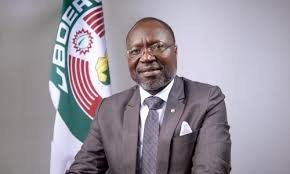
The current President of the Organization is H.E. Dr. Omar Alieu:
Work Fields
Contact information
Association of Southeast Asian Nations, known simply as ASEAN:
Foundation
ASEAN was established by the Bangkok Declaration on August 8, 1967. The association initially included five countries: Malaysia, Indonesia, Singapore, the Philippines, and Thailand, then Brunei joined in January 1984, Vietnam in July 1995, Laos and Myanmar in 1997, and finally Cambodia on April 30, 1999.
In February 1976, ASEAN held its first summit in the resort island of Bali, Indonesia, and during that meeting its leaders signed the Agreement on Harmony and Cooperation in East Asia and the Declaration of the ASEAN Treaty. In implementation of these agreements, ASEAN countries worked to strengthen their cooperation in the political, economic and military fields, and adopted practical strategies to achieve rapid development in their economies. ASEAN leaders also agreed in 2003 to establish the ASEAN Community based on three pillars: They are: the ASEAN security, economic, social and cultural group. In 2005, the organization’s leaders decided to draw up an ASEAN Charter in the hope of achieving ASEAN’s long-term goal of becoming a unified regional entity. During the ASEAN Ministerial Meeting in July 2007 in Manila, Philippines, all participants agreed to sign the Charter at the summit, which was subsequently held in Singapore in November 2007.
Member States

Malaysia

Indonesia

Singapore

Philippines

Thailand

Cambodia

Burma (Myanmar)

Vietnam

Laos

Brunei
Objectives
As stated in the ASEAN Declaration, the goals and objectives of ASEAN are:
- Accelerating economic growth and achieving social progress and cultural development in Southeast Asia, through joint action based on the spirit of cooperation, equality, and participation in order to strengthen the foundations of a prosperous and peaceful society.
- Promoting active cooperation and mutual assistance in matters of common interest in the economic, social, cultural, technical, scientific and administrative fields.
- Promoting regional peace and stability, through a commitment to respect justice and the rule of law in bilateral relations and adherence to the principles and Charter of the United Nations.
- Exchanging assistance in the field of training, educational, vocational and technical research.
- Cooperating more effectively to encourage further growth in the agricultural, industrial and trade sectors. This includes improving transportation and communications facilities, and conducting studies on international commodity trade, with the aim of raising the living standards of ASEAN people.
- Promoting studies on the Southeast Asian region.
- Maintaining close cooperation with existing international and regional organizations that have similar goals and objectives, and exploring all ways to strengthen cooperation among them.
Organizational Structure
The ASEAN Declaration or the Bangkok Declaration issued in August 1967 resulted in the establishment of many bodies, organizations and committees that together formed the elements of the organization’s organizational structure. These bodies are:
1- Summit Meeting:
This is the highest authority in the Association, as it consists of the heads of government of the member states.
2- Ministerial Conferences:
The foreign ministers of member states meet annually on a regular basis. The economic ministers also meet annually to manage economic cooperation affairs. Other ministers also meet whenever the need arises.
3- Standing Committee:
It consists of the Minister of Foreign Affairs of the host country and ambassadors of member states, and meets regularly once every two months.
4- General Secretariat:
It was established in Jakarta, Indonesia in 1976, and constitutes the central body of the Association. The Supreme Secretary-General is selected periodically – every three years – from the member states in alphabetical order, and daily coordination is carried out through the National Secretary of each member of the Association.
5- Committees:
Cooperation between the ASEAN countries takes place through the Ministers of Economic Affairs through five committees: the Food, Agriculture and Forestry Committee, the Finance and Banking Committee, the Industry, Mining, Energy, Transport and Communications Committee, and finally the Trade and Tourism Committee.
In addition to the previous committees, special committees are formed, such as: the Culture and Information Committee, the Science and Technology Committee, and the Development Committee.
Organogram of The ASEAN Secretariat
The current Secretary-General is: H.E. DR. Kao Kim Hourn
Work Fields
Contact information
East African Community (EAC)
Foundation
In the past, Kenya, Tanzania and Uganda have enjoyed a long history of cooperation under successive regional integration arrangements, which have included:
- Customs Union between Kenya and Uganda in 1917, which Tanganyika later joined in 1927.
- High Commission for East Africa (1948-1961)
- East African Joint Services Organization (1961-1967)
- East African Community (1967-1977)
- East African Cooperation (1993-2000)
After the dissolution of the former East African Community in 1977, member states negotiated a mediation agreement for the examination of assets and liabilities, which was signed in 1984.
Within the framework of this agreement, the three member states (Kenya, Tanzania and Uganda) agreed to explore areas of future cooperation and make concrete arrangements to serve the purposes of this cooperation.
Subsequent meetings of the three heads of state resulted in the signing of the agreement establishing the Permanent Tripartite Commission for East African Cooperation on November 30, 1993.
Full cooperation operations from East Africa began on 14 March 1996, when the Secretariat of the Permanent Tripartite Commission was launched at the East African Community headquarters in Arusha, Tanzania.
In light of the need to strengthen regional cooperation, the East African Heads of State – during their second summit in Arusha on April 29, 1997 – directed the Permanent Tripartite Commission to begin the process of advancing the agreement establishing the Permanent Tripartite Commission of East African States within a treaty.
The treaty conclusion process was successfully concluded within 3 years, which included negotiations between member states, as well as broad participation from the public.
The Treaty Establishing the East African Community was signed in Arusha on 30 November 1999.
The Treaty entered into force on July 7, 2000, after the completion of the ratification process and the deposit of instruments of ratification with the Secretary-General by all three partner countries.
With the entry into force of the Treaty, the East African Community came into existence.
Member States
Democratic Republic of the Congo
Republic of Rwanda

Republic of South Sudan
Republic of Burundi

United Republic of Tanzania
Republic of Kenya
Republic of Uganda
Objectives
The East African Community seeks to deepen economic, political, social and cultural integration, in order to improve the quality of life of the people of East Africa through increased competitiveness, value-added production, trade and investments.
Organizational Chart
The main organs of the East African Community are: the Summit, the Council of Ministers, the Coordination Committee, the Sectoral Committees, the East African Court of Justice, the East African Legislative Assembly and the Secretariat.
The Summit:
The summit – which brings together the heads of government of partner countries – provides strategic direction towards achieving the group’s goals and objectives.
Council of Ministers:
The Council of Ministers is the central decision-making and administrative body of the East African Community. Its membership consists of ministers or cabinet secretaries from member states whose responsibilities are to promote regional cooperation.
Each year the Council meets twice, holding one meeting immediately before the Summit. Council meetings help maintain the link between political decisions taken at summits and the daily work of the group. The regulations, directives and decisions taken or issued by the Council are considered binding on the partner countries and all other organs and institutions of the group other than the Summit, the Court and the Assembly.
Each year the Council elects a rotating President to serve a one-year term as Prime Minister.
Coordination Committee:
Under the supervision of the Council, the Coordination Committee has primary responsibility for regional cooperation and coordinates the activities of the sectoral committees. It also recommends to the Council regarding the establishment, formation and functions of these sectoral committees. The Coordination Committee draws its membership from permanent secretaries and secretaries responsible for regional cooperation from partner countries, taking into account any directives issued by the Council. The committee meets twice a year before Council meetings, and may hold extraordinary meetings at the request of the Chairman of the Coordination Committee.
Sectoral Committees:
Sectoral committees develop a vision for programs and monitor their implementation. The Council establishes these committees based on the recommendation of the Coordination Committee. The sectoral committees meet whenever necessary.
East African Court of Justice:
Established under Article 9 of the Treaty Establishing the East African Community, the East African Court of Justice is the principal judicial organ of the Community, ensuring adherence to the law in the interpretation and application of compliance with the East African Community Treaty.
Arusha, Tanzania, is the temporary seat of the Court until the summit determines its permanent seat. The Court has established its subsidiary registries in partner countries, which are located in the buildings of national courts.
The Court currently consists of ten judges, appointed by the Summit from among the sitting judges of any judicial court of the Partner State, or from judges of recognized competence, and the Registrar appointed by the Council of Ministers.
The court consists of two levels: primary and appellate.
East African Legislative Assembly:
The East African Legislative Assembly (EALA) was established under Article 9 of the Treaty establishing the East African Community. The Assembly is the legislative body of the Community, and has a primary function of promoting the objectives of the East African Community, through its legislative, representative and oversight mandate.
The EALA Commission, which oversees the administration of the association, was established following the enactment of the EALA Administration Act 2012.
General Secretariat:
The General Secretariat is the executive body of the Group. As guardian of the Treaty, it ensures that regulations and directives adopted by the Council are properly implemented.
The General Secretariat consists of the Secretary General and his 4 deputies, the Group Advisor, and hundreds of EAC staff who carry out the day-to-day work of the EAC Group as delegated by the Council.
The Secretary-General is the group’s chief executive and accounting officer, head of the General Secretariat and Secretary of the Summit, and is appointed by the Summit for a fixed, non-renewable five-year term.
The Deputy Secretaries-General are appointed by the Summit based on the recommendations of the Council, and on a rotational basis. They act on behalf of the Secretary-General, and each of them serves for a period of three years, renewable once.
The Group Advisor is the Group’s main legal advisor.
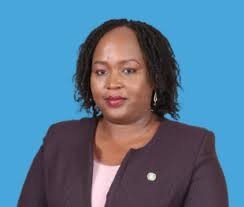
The current Secretary-General of the East African Community is: H.E Veronica Mueni Nduva,
Work Fields
Contact information
D-8 Organization for Economic Cooperation
Foundation
The D8 Group – also known as the Developing-8 – is a development cooperation organization among the following countries: Bangladesh, Egypt, Indonesia, Iran, Malaysia, Nigeria, Pakistan and Turkey.
The establishment of the D-8 was announced through the Istanbul Declaration of the Heads of State/Government Summit on 15 June 1997.
The idea of cooperation between major developing Islamic countries was put forward by Professor Dr. Necmettin Erbakan, then Prime Minister of the Republic of Turkey, during a symposium on “Cooperation in Development” held in Istanbul in October 1996, in the presence of representatives from Bangladesh, Egypt, Indonesia, Iran, Malaysia, Nigeria and Pakistan. This conference was the first step towards the creation of D-8. D-8 was officially formed only after holding a series of preparatory meetings, and its activities began with the Istanbul Declaration issued at the end of the Summit of Heads of State and Government held in Istanbul on 15 June 1997.
Member States
Indonesia

Egypt
Turkey
Nigeria
Malaysia
Iran

Bangladesh
Pakistan
Objectives
The objectives of the D-8 Economic Cooperation Organization are to improve the position of its member states in the global economy, create new opportunities in trade relations, enhance participation in decision-making at the international level, as well as improve the living standards of its member states.
According to the First Summit Declaration (Istanbul, 1997), the main goal of the G8 is social and economic development in accordance with the following principles:
Organizational Chart
The main devices of the D-8 are:
1- The Summit:
It is considered the supreme body of the G8, and is composed of heads of state/government of member states, and is held once every two years.
2- The Council:
It consists of the foreign ministers of the member states, as it is the political decision-making body of the D-8 group that is responsible for considering the issues raised.
3- The Commission:
It is the executive body of the D-8 Group, composed of senior officials appointed by their governments, and each Commissioner is responsible for national coordination in his/her country.
D-8 Secretariat:
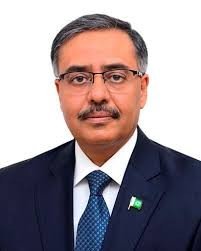
The current Secretary General of the D-8 Organization for Economic Cooperation, is : H.E. Amb. Sohail Mahmood
Work Fields
Contact information
Eurasian Economic Union
Foundation
The Eurasian Economic Union is an economic union of countries located in Central and North Asia and in Eastern Europe. The leaders of Belarus, Kazakhstan, and Russia signed the Eurasian Economic Union Treaty on May 29, 2014, and it entered into force on January 1, 2015. The accession treaties of Armenia and Kyrgyzstan to the Eurasian Economic Union were concluded on October 9 and December 23, 2014, respectively, and the Armenia Accession Treaty entered into force. Implementation took place on January 2, 2015, while the Kyrgyzstan Accession Treaty entered into force on August 6, 2015, which participated in the meetings of the Eurasian Economic Union as an observer state.
Member States

Belarus

Russia
Kyrgyzstan

Armenia

Kazakhstan
Organizational Chart
The Supreme Eurasian Economic Council:
It is the supreme body of the Union, consisting of the heads of member states.
The Eurasian Intergovernmental Council:
It is a body affiliated with the Union consisting of the heads of government of member states.
The Eurasian Economic Commission:
It is the executive body of the Union. It is a permanent supranational regulatory body affiliated with the Union. The Commission’s primary tasks are to create conditions to support the Union’s work and development, as well as to formulate proposals in the field of economic integration within the Union.
The Court of the Eurasian Economic Union:
It is the Court of Justice of the Eurasian Economic Union, which ensures the implementation by member states and bodies of the Union of the Treaty of the Eurasian Economic Union and other international treaties within the Union.
Objectives
The Union aims to achieve the concept of comprehensive advancement, increase competitiveness and cooperation between national economies, and promote development in order to raise the standard of living of citizens of member states, by providing freedom of movement of goods, services, capital and labor, as well as by following a coordinated and unified policy in the sectors specified by the treaty. And international agreements within the Union.
Work Fields
The Union provides common policies in the following areas:
Contact information
International Chamber of Commerce
Foundation
The International Chamber of Commerce was founded in 1919 after World War I, with a general purpose that remains unchanged: to serve international business by promoting trade and investment, opening markets for goods and services and the free flow of capital.
The first impetus for the Chamber’s efforts is due to its first president, Etienne Clementel – a former French Minister of Finance – and thanks to his influence, the Chamber’s General Secretariat was established in Paris. The Chamber’s reputation has been beyond recognition since those post-war days, when business leaders from the Allied nations gathered for the first time in Atlantic City.
The first nucleus of the Chamber included representatives from the private sector in Belgium, Britain, France, Italy and the United States, and then it expanded to become an international business organization whose membership includes thousands of companies and bodies in about 142 countries. Among the members are a large number of the world’s most influential companies, representing all industrial and service sectors.
Member States
ICC’s global network of chambers includes 40 million companies, giving it a total employment footprint of more than one billion people.
Objectives
- Promoting international trade, international investment and responsible business behaviour, developing a global approach to regulation, as well as providing market-leading dispute resolution services.
- Represent business interests at the highest levels of intergovernmental decision-making, whether at the World Trade Organization, the United Nations or the G20, to ensure that the voice of business leaders is heard and their demands are met.
- Broadly expand work on the Sustainable Development Goals, as the Chamber has a long history of drafting the voluntary rules under which business is conducted every day – from the internationally recognized Incoterms® rules to the Uniform Customs and Practices for Documentary Credit UCP 600 – which are widely used in international finance.
Organizational Structure
Global Council:
It is the supreme governing body of the International Chamber of Commerce, the equivalent of the General Assembly of a major intergovernmental organization. However, in this case, the delegates are business executives and not government officials.
Executive Board:
He is responsible for developing and implementing the strategy, policy and work program of the International Chamber of Commerce, in addition to overseeing the financial affairs of the institution.
President and Secretary General:
The President and Vice-Presidents constitute the Presidency. The Global Council appoints the Secretary-General, who heads the International Secretariat and works closely with national committees to implement the ICC’s program of work.
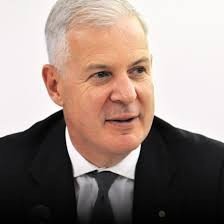
The current President of the International Chamber of Commerce is: H.E. John W.H. DENTON AO
Work Fields
Contact information
Association of the Mediterranean Chambers of Commerce and Industry (ASCAME)
Foundation
The Federation of Chambers of Mediterranean Countries (ASCAME) is an international non-profit organization that represents the private sector in the Mediterranean region, and contributes to organizing the ranks of chambers of commerce and industry and similar entities from 23 countries on both sides of the region.
The Union was established on October 1, 1982, and has become, at present, the most important representative of the private sector in the Mediterranean region.
Member States
The Association of Chambers of Mediterranean Countries (ASCAME) includes 23 countries in the Mediterranean region, and more than 300 chambers of commerce and industry, and works to defend the interests of millions of companies across the Mediterranean region.
Objectives
The main objective of the Union is to promote the economic integration of the Mediterranean and the Euro-Mediterranean Partnership by activating the role of the private sector.
ASCAM is considered a unique tool for social and economic development in the region, through its close cooperation with the most important international organizations and institutions in the Mediterranean region, the promotion of regional and international economic activities, and participation in Euro-Mediterranean cooperation projects.
Also, ASCAM works – as a unified entity – to represent the interests of the private sector in the Mediterranean, and it is also an accredited partner of the European Union and international organizations in developing strategic measures aimed at enhancing cooperation and economic exchanges between Mediterranean countries, as well as promoting Mediterranean countries and institutions. all over the world.
ASKAMI’s work is based on economic and commercial activities carried out by companies and institutions of the Mediterranean countries.
ASKAMI has worked hard and diligently, over thirty years, to provide tools capable of providing effective answers to the challenges and opportunities faced by chambers of commerce and small and medium-sized companies in light of a global competitive environment.
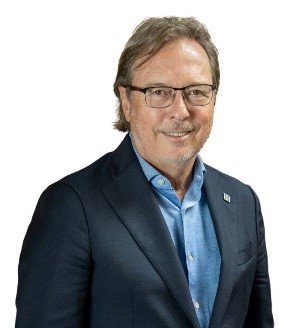
<span style=”color: #1b2a39; font-size: 24px;”><strong>The current president of the Federation of Chambers of Mediterranean Countries is: H.E. Dr. Josep Santacreu, </strong></span>
Contact information
Pan African Chamber of Commerce and Industry (PACCI)
Foundation
The Pan African Chamber of Commerce and Industry (PACCI) is an independent, non-profit, non-partisan organization, founded in 2009, to serve businesses in Africa, by promoting public policies that will enhance continental economic integration, competitiveness and sustainable growth.
The Chamber offers its members a wide range of services, including advocacy for the establishment of the African Economic Community, capacity building, and business networking.
It includes more than 50 national chambers of commerce, and is the largest business association in Africa. It also works to promote and encourage the growth of existing businesses and the establishment of new businesses
Objectives
The Pan African Chamber of Commerce and Industry (PACCI) focuses on projects that enhance intra-African trade, the most important of which is the implementation of the African Continental Free Trade Area, creating job opportunities, encouraging investment, and enhancing the sustainability of economic growth of African countries.
The Chamber supports private and public initiatives, programs and legislation that assist small and medium-sized enterprises (SMEs), and also focuses on raising awareness of the need to address environmental, social and governance issues, including diversity and gender equality.
Organizational Structure
The Executive Council of the Pan African Chamber of Commerce and Industry (PACCI) consists of the heads of the member chambers of commerce and industry. The Council is responsible for reviewing, advising, recommending and guiding the Secretariat’s strategy in engaging the private sector across Africa. It meets twice a year for a mid-term evaluation in cooperation with the General Secretariat.
The Executive Council is elected by the General Assembly for a two-year term. The presidential seat will rotate between the five blocs – East, West, Centre, South and North.
The organizational structure consists of a president and a first vice president, and each bloc has a vice president and a member seat to represent the region.
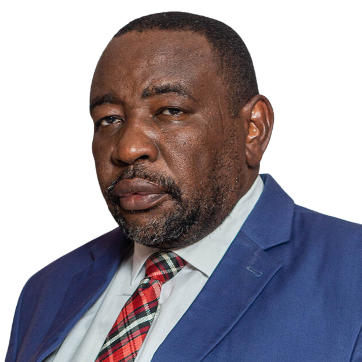
President of the Executive Council PACCI is: H.E. M. Ali Adji Mahamat
Work Fields
Contact information
Confederation of Asia-Pacific Chambers of Commerce and Industry (CACCI)
Foundation
In February 1965, representatives of chambers of commerce and other business organizations from various countries in Asia gathered in Manila to attend an Asian conference of chambers of commerce under the slogan “Asian Progress through Economic Cooperation.”
This conference was important for Asian businessmen, not only in terms of the study it made of the vital and current economic problems in Asia, but also because it heralded the unification of chambers of commerce in the region. This was the first step towards strong regional economic cooperation. The decision to establish a select committee was approved during the conference to prepare preliminary work on the formalization of the organization.
In September 1965, just a few months after the conference, the Select Committee met in Hong Kong to discuss the establishment of the Federation of Asian Chambers of Commerce and Industry. Less than a year later, the Confederation of Asian and Pacific Chambers of Commerce and Industry (CACCI) held its inaugural conference in Taipei City in May 1966, with 10 national chambers represented.
Objectives
The Chamber’s mission is to provide a platform to enhance the vital role of business in the region, increase regional trade interaction, as well as promote regional economic growth.
Organizational Structure
The Federation’s Board of Directors consists of chairmen or representatives of each core member, and meets at least once a year. It manages the affairs of the Union, seeks to achieve its goals, implement its policies, and issues rules and regulations in accordance with its constitution.
The Council shall elect from among its representatives the following officers of the Federation, each for a term of two years or until a successor is elected: the President, seven Vice-Presidents, and an honorary treasurer.
The President of the Confederation of Asian and Pacific Chambers of Commerce and Industry (CACCI) is: H.E. M. Ali Adji Mahamat
Work Fields
Contact information
Union of Arab Chambers
Foundation
It was decided to establish the General Federation of Chambers of Commerce, Industry and Agriculture for Arab Countries during the first conference held at the headquarters of the Alexandria Chamber of Commerce in the city of Alexandria on May 8, 1951 AD. Then the basic statute of the Federation was drawn up at the second conference held in the city of Beirut on December 16 1951 AD, where the establishment of the Federation was announced. As a non-governmental regional body with a legal personality and not for profit.
Since then, the Union has made the city of Beirut the headquarters of its General Secretariat. During the 120th session of the Union Council, which was held on March 26, 2016 AD in the city of Muscat – Sultanate of Oman, the name of the Union was changed to become the Union of Arab Chambers (U nion of Arab Chambers UAC).
The primary motivation behind the establishment of the Union was the awareness of Arab businessmen of the importance of regional cooperation as a means to advance Arab economic development. The Union was the first Arab economic institution working at the non-governmental level to promote the idea of cooperation and economic integration between Arab countries.
Throughout its history, the Union has played an important role in advancing trade cooperation between Arab countries at the trade and investment levels. He was also the first to call for the establishment of a common Arab market, and to set the general principles that must be implemented with the aim of achieving economic unity among the Arab countries.
Member States
Arab chambers and their unions:
1) Jordan Chamber of Commerce
2) Federation of UAE Chambers of Commerce and Industry
3) Bahrain Chamber of Commerce and Industry
4) The Tunisian Union of Industry, Trade and Handicrafts
5) Algerian Chamber of Commerce and Industry
6) Djibouti Chamber of Commerce
7) Federation of Saudi Chambers
8) Sudanese Businessmen and Employers Federation
9) Federation of Syrian Chambers of Commerce
10) Federation of Iraqi Chambers of Commerce
11) Oman Chamber of Commerce and Industry
12) Federation of Palestinian Chambers of Commerce, Industry and Agriculture
13) Qatar Chamber of Commerce and Industry
14) Kuwait Chamber of Commerce and Industry
15) Federation of Chambers of Commerce, Industry and Agriculture in Lebanon
16) Union of Chambers of Commerce, Industry and Agriculture in Libya
17) Federation of Egyptian Chambers of Commerce
18) Mauritanian Chamber of Commerce, Industry and Agriculture
19) Federation of Yemeni Chambers of Commerce and Industry
20) Somali Chamber of Commerce
21) Federation of Moroccan Chambers of Commerce and Industry.
Joint Arab and Foreign Chambers:
1) Australian-Arab Chamber of Commerce and Industry
2) The Austrian Arab Chamber of Commerce
3) Arab-Belgium-Luxembourg Chamber of Commerce
4) Arab-Brazilian Chamber of Commerce
5) Arab-British Chamber of Commerce
6) Arab-French Chamber of Commerce
7) Arab-German Chamber of Commerce and Industry
8) Arab-Hellenic Chamber of Commerce and Development
9) Irish Arab Chamber of Commerce
10) Joint Arab-Italian Chamber
11) Arab-Portuguese Chamber of Commerce and Industry
12) Swiss Arab Chamber of Commerce and Industry
13) National American-Arab Chamber of Commerce
14) Argentine-Arab Chamber of Commerce
15) Joint Kenya-Arab Chamber of Commerce and Industry
Associate Members:
1) Federation of Egyptian Industries
2) The Egyptian Chamber of Commerce in Alexandria
3) Egyptian Businessmen Association
4) Alexandria Businessmen Association
5) Aqaba Chamber of Commerce
6) Amman Chamber of Commerce
Arab-Foreign Business Councils:
1) Russian-Arab Business Council
Objectives
The Union of Arab Chambers is the legitimate representative of the Arab private sector, and its objectives are as follows:
- Achieving Arab economic integration within the framework of a comprehensive, effective and advanced formula, so that it can deal and cooperate with other economic blocs on equal basis that guarantees the interests of all parties and contributes to achieving global prosperity.
- Representing all economic sectors at the Arab, regional and international levels from the perspective of Arab business owners, so that it expresses their opinions and ambitions, coordinates and crystallizes their positions on various economic issues and policies, and supports their role in the development and integration of their national economies.
- Strengthening the role of member chambers and their unions as representatives of the interests of business communities and the private sector in their countries, as well as supporting their intellectual and administrative bodies and their technical and information capabilities to perform this role to the fullest extent, coordinating their opinions and positions with regional and international economic bodies and organizations, and supporting the efforts of specific unions, Arab economic projects and organizations. whose activities serve the objectives of the Union.
- Working to raise the efficiency and returns of development plans, programs and efforts in the Arab world, by providing sufficient job opportunities and employing the pillars of the market economy based on unleashing freedom of fair competition, preventing monopolistic practices and ensuring equal opportunities, in order to achieve justice and social balance, which contributes to unleashing productive capacities and capabilities. Creativity and optimal use of technical developments to open markets and attract investments.
- Striving to establish and develop an integrated development partnership between Arab countries on the one hand, and the fair participation of all groups and segments of society in development efforts and their fruits within each country on the other hand, because of its positive and direct repercussions on consolidating peace, prosperity and stability in these countries, and in the world in general.
Organizational Structure
The Council:
It represents the first and highest authority in the Union, and is composed of representatives of the main members affiliated with it. The Council has the right to take all necessary measures to achieve its objectives and adopt the necessary policies and programs for that, including approving the union’s regulations, adopting the policies and programs necessary to achieve its objectives, the discretionary budget and the final budget of the union, determining the value of members’ annual subscriptions, forming permanent and temporary committees, and determining their tasks and powers.
The Council supervises the work of the General Secretariat and the implementation of the decisions of the General Conference. The members rotate the presidency of the Council in alphabetical order of countries (according to the system followed in the League of Arab States), where the presidency period is two years.
Executive Committee:
The Executive Committee emerges from the Council and consists of seven persons: the President, the two Vice-Presidents, the Treasurer, and three members elected by the Council from among the heads of chambers or unions. The term of the committee shall be two years, and the election of its members shall take into account the representation of regional groupings.
The committee follows up the implementation of the Council’s decisions and takes decisions on matters that arise in the periods separating the Council’s sessions, in addition to studying the annual budget and the final budget. The committee may be called to meet at any time if necessary.
General Secretariat:
It is the executive body of the Federation. It is headed by the Secretary-General, who is appointed by the Federation Council for a four-year term. The Council has the right to reappoint the president.
The Secretary-General is responsible for setting an annual program for the work of the General Secretariat and following up on its implementation, and preparing an annual report on the work of the Union, issues of integration, development, economic security and other important economic issues. In addition to following up on contact with Arab and international institutions and organizations related to the Union’s activity, including the joint Arab-foreign chambers of commerce. In addition to presenting proposals that would expand the scope of the union at the Arab and international levels. He is assisted in his work by the Assistant Secretary-General and the General Secretariat.
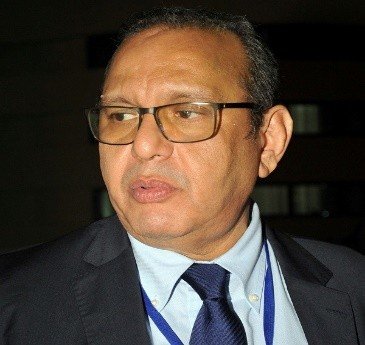
The current President of the Union of Arab Chambers is :
H.E. Samir Majoul
Work Fields
Contact information
Joint Arab Chambers
Australia Arab Chamber of Commerce and Industry
Foundation
The Australia-Arab Chamber of Commerce and Industry (AACCI) was established in 1975, as the only national association for bilateral trade and investment between Australia and Arab League countries.
The Chamber is a non-profit, membership-based organization with representative offices in the major Australian states. It aims to facilitate two-way business and investmenjt opportunities for its members, in addition to building multicultural awareness to contribute to business success.
The current President and National Chairman is H.E. MOHAMED HAGE OAM

Objectives
The Chamber’s mission is to assist Australian companies exporting to the Middle East and North Africa markets and Arab companies looking to invest in or expand in Australia. They also specialize in providing members with business intelligence, business matching and networking opportunities. Its program includes introducing members to Australian and Arab speakers with experience in business in the Middle East and North Africa region, creating great opportunities for members to network and gather up-to-date business intelligence about the Arab business world, which leads to expanding bilateral trade and enhancing economic and political cooperation between Australia. And the Arab world.
Services
The Australian-Arab Chamber of Commerce aims to be an indispensable partner in providing services to members wishing to engage with the Arab world by making contacts aimed at building new business with Arab countries. Examples of these services include:
- Issuing and authenticating the Australian Certificate of Origin and supporting export trade documents in five states across Australia.
- Engaging in advocacy – on behalf of its members – with Australian governments and regulatory bodies as well as with Arab diplomatic missions in Australia.
- Providing information and business technology services related to trade and export of goods, services and investments across the Middle East and North Africa countries.
- A variety of local and international business and networking events, trade missions, high-level roundtable discussions and cultural training workshops.
- Cooperating with Australian government agencies and diplomatic missions throughout the Middle East and North Africa region, as well as with Arab diplomatic missions in Australia in promoting business opportunities and initiatives.
- Building cultural understanding through active interaction and participation in diverse cultural events for Arab communities.
Contact information
Austro-Arab Chamber of Commerce
Foundation
The Austro-Arab Chamber of Commerce was established in 1989 to represent a bridge to support economic, scientific and cultural relations between Austria and the 22 member states of the League of Arab States in various fields. The Austrian Arab Chamber of Commerce operates under the umbrella of the Union of Chambers of Commerce, Industry and Agriculture for Arab Countries and the League of Arab States. The Chamber supports and promotes economic and commercial activities, and cooperates with many parties, including the Council of Arab Ambassadors and many organizations and bodies from the public and private sectors and international organizations.
The Current President of Austro-Arab Chamber of Commerce is H.E. Form. Minister .Dr. Werner FASSLABEND
Objectives
The Chamber aims to support, promote and encourage economic and commercial activities between the Arab and Austrian sides, in addition to achieving scientific and cultural communication and technology transfer, through support and promotion of economic and commercial activities and cooperation with many parties, including the Council of Arab Ambassadors and many organizations and bodies from the public sectors. Private and international organizations.
Services
- Supporting and promoting inter-investment.
- Communication and networking at all levels of the public and private sectors.
- Holding joint meetings and activities between the Arab and Austrian sides.
- Holding mutual forums, workshops and various events.
- Analyze risks and point out the strengths and weaknesses of the economy and trade.
- Preparing economic reports.
- Holding cultural events for the purpose of bringing the parties together on a non-economic level and introducing cultural behaviours.
- Mediation and arbitration to resolve disputes.
- Continuous cooperation with scientific institutions.
- Examining documents and commercial transactions.
Contact information
Arab Belgian Luxembourg Chamber of Commerce
Foundation
The Arab-Belgium-Luxembourg Chamber of Commerce is a member of the Union of Chambers of Commerce, Industry and Agriculture of Arab Countries since 1978, and connects the business community in Belgium, Luxembourg and the Arab countries. The Chamber constantly seeks to improve the services it provides to the business community, and also works to strengthen trade and investment relations between Belgium, Luxembourg and the Arab world.
The current President of the Arab Belgian Luxembourg Chamber of Commerce is Mr. Johan Beerlandt
Objectives
The Arab-Belgium-Luxembourg Chamber of Commerce works to strengthen trade and investment relations between Belgium, Luxembourg and the Arab world, and to develop the ever-growing business community. The Chamber also provides members with commercial information and services based on in-depth knowledge of the economic and commercial reality.
Services
Contact information
Arab-Brazilian Chamber of Commerce

Foundation
For more than 70 years, the Arab-Brazilian Chamber of Commerce has been working to connect the Brazilian and Arab people to promote economic, social and cultural development. It has played a pivotal role in developing the relationship between the two peoples over the years by following the values of ethics, innovation, leadership, trust, commitment and skill.
The current President of the Arab-Brazilian Chamber of Commerce is
Mr. Osmar Shehfi

Objectives
The Arab-Brazilian Chamber of Commerce aims to promote all forms of exchange and cooperation between Brazil and Arab countries, with the aim of encouraging trade, economic, technological, scientific and cultural cooperation, investment and tourism. The Chamber also focuses on assisting companies and providing important marketing information, such as: business opportunities, economic indicators, sectoral data, and exploring the basic needs and interests of the Arab and Brazilian markets.
Services
Promoting trade and cultural integration between Brazil and Arab countries through:
- Organizing events and providing promotional materials that will strengthen the relationship and promote mutual understanding between Brazil and the Arab world.
- Exploiting trade potential to increase the generation of trade exchange shares between importers and exporters.
- Developing information to support exporters and importers.
- Supporting the communication process and providing high-quality translation.
- Excellence in providing certificate of origin certification services, by issuing certificates quickly and meeting legal requirements, while providing a high level of quality in service to exporters, including providing guidance on the certification process.
- Translation services from Arabic to Portuguese and vice versa.
Contact information
Arab British Chamber of Commerce

Foundation
The Arab-British Chamber of Commerce was established in 1975, with the aim of promoting trade and investment relations between the United Kingdom and the Arab world. It works closely with the Arab and British business community, ministers, diplomats and heads of state.
Current President of the Arab-British Chamber:
The Rt Hon Baroness Elizabeth Symons of Vernham Dean

The current Secretary General and CEO of the Arab-British Chamber of Commerce is H.E.Rita Massoud
Objectives
The Chamber aims to promote bilateral trade and investment relations between Britain and Arab countries. To achieve this goal, it cooperates closely with ministries, official trade and investment bodies, Arab diplomatic missions in London, the British Chambers of Commerce, the League of Arab States, major Arab companies, and chambers of commerce in the Arab world. It seeks to achieve this goal through:
- Promoting the benefits of corporate membership.
- Improving its unique export documentation service.
- Providing fast and accurate translation of technical and commercial documents.
- Providing fast business visa service.
- Drawing companies’ attention to new and emerging opportunities.
- Hosting conferences, forums, seminars and business roundtables.
- Facilitating trade missions and networking.
Services
Contact information
Arab-French Chamber of Commerce
Foundation
The Arab-French Chamber of Commerce was established in December 1970. It was established at the behest of the League of Arab States and a former minister in the government of General de Gaulle. It basically applies the principle of parity that distinguishes it and is the source of its strength, through its partnership with economic organizations in the Arab countries. The Chamber is subject to French law, and operates in accordance with its provisions of the 1901 Law on Associations.
The Arab-French Chamber of Commerce is a mixed, equal-represented association whose goal is to develop and strengthen commercial relations and industrial, financial, tourism and agricultural cooperation between economic decision-makers in France and the Arab countries.
Organizational Structure
At the head of the Chamber there is an executive body consisting of a French president, an Arab Secretary-General, an office, and a board of directors consisting of members, half of whom are appointed by the French institutions affiliated with the Chamber, and the second half by the chambers of commerce of the twenty-two members of the League of Arab States.
The Current President of the Arab-French Chamber of Commerce:
M. Raoul DELAMARE
The current Secretary General of Arab-French Chamber of Commerce is H.E.Rita Massoud

Objectives
The Arab-French Chamber of Commerce – a body subject to French law and based on the principle of Arab-French parity since its founding in 1970 – seeks to develop economic exchanges and strengthen commercial and industrial relations between France and the Arab countries.
To reach these goals, all measures are taken to achieve them, including:
- Organizing meetings, seminars, lectures and meetings aimed at introducing the capabilities and characteristics of the French and Arab industrial, agricultural and commercial sectors.
- Introducing the laws and regulations in force in France and the Arab countries, if they are related to the Chamber’s activities, and publishing them regularly.
- Publish a periodical magazine in Arabic and French, and update the Chamber’s website, so that the most important economic developments in France and in the Arab countries are published.
- Promoting, encouraging and sponsoring any activities that serve the Chamber’s objectives and would strengthen acquaintance and understanding between France and the Arab countries.
- Receiving and publishing all requests for tenders issued by French or Arab institutions that request the Arab-French Chamber of Commerce to assist them in this regard.
- Organizing visits by French business delegations to Arab countries, and receiving Arab economic delegations or Arab figures who visit France.
- Organizing visits by Arab embassies in Paris to French cities and regions, to learn about their capabilities and visit their most important economic facilities that fall within the framework of the interests of the Arab world.
Services
1- Member privileges
In order for economists to quickly access the best source of information and establish direct relationships at the highest levels, the Arab-French Chamber of Commerce has made the following privileges available to its members:
- They have priority in receiving invitations to participate in the Chamber’s various activities, including seminars, conferences, visits by Arab delegations to France, and businessmen’s travel to Arab countries.
- Preference for obtaining certifications for commercial transactions related to exports from the Chamber.
- Receiving Chamber support from embassies so that they can obtain visas for their work.
- They have preference to consult its archive, with the assistance of archival and documentation experts.
- Displaying their products in the Arab and French markets.
- Help them identify their future partner.
- Protecting their commercial interests by providing them with the advice they need from the Chamber’s Arbitration Center.
- Adding the Chamber’s logo to the documents of their institutions, in order to make it easier for Arabs and French to contact them and identify them.
2- Commercial attestation service
3- Mediation and Arbitration Center services
The Mediation and Arbitration Center provides – to any person or entity – a distinct means of resolving disputes, based on the dual Arab-French culture and respect for equality.
Contact information
Arab-German Chamber of Commerce and Industry
Foundation
The establishment of the Joint Arab-Foreign Chambers came at the end of the sixties of the last century to serve the common goals of the Arab economy, strengthen ties and economic ties between Arab countries with the countries in which these chambers are located, enhance communication, and introduce opportunities for partnership and cooperation between economic institutions and businessmen from both sides.
The Arab-German Chamber of Commerce and Industry was established and registered on December 8, 1976 with the Court of First Instance in Bonn as a public benefit association. Since the first of August 2000, the Chamber’s headquarters moved to Berlin and it was officially registered as the “Chamber” on August 27, 2007.
The current president of the Arab-German Chamber of Commerce and Industry is
H.E. . Olaf HoffmannPresident, CEO and President, Dorsch Holding Gmbh
Objectives
The Chamber seeks to enhance commercial, industrial, financial and investment cooperation between Arab countries and the Federal Republic of Germany and to encourage understanding among their peoples.
In order to achieve these goals, the Chamber works in particular to carry out the following tasks:
- Introducing Arab and German products and services, and holding exhibitions to encourage trade exchange.
- Organizing forums, conferences and other activities, with the aim of introducing the performance capabilities of the Arab and German economies and the characteristics of their products and services.
- Collecting texts of laws and any other instructions in effect in Arab countries and in the Federal Republic of Germany – and related to the scope of the Chamber’s work – and publishing them regularly.
- Documenting information and issuing publications dealing with data on the economy of Arab countries and the Federal Republic of Germany.
- Providing the competent authorities in the Arab countries and Germany with information on the economic, trade and investment conditions on both sides. This activity includes media promotion about the problems of mutual economic relations and presenting proposals to solve them.
- Publicizing tenders offered by Arab and German authorities and companies, and facilitating obtaining them from those wishing to submit bids from both sides.
- Providing assistance to facilitate official transactions related to economic exchange between Arab countries and the Federal Republic of Germany.
- Encouraging and developing Arab and joint scientific and cultural institutions.
- Encouraging mutual tourism between Arab countries and the Federal Republic of Germany.
- Providing assistance within the framework of investment projects.
Organizational Structure
General Assembly:
The General Assembly is the highest body in the Chamber and includes all members in Germany and the Arab countries.
Board of Directors:
The Board of Directors consists of 31 German members and 31 Arab members. The Arab side on the Board of Directors is represented by Their Excellencies the Presidents of the Arab Chambers of Commerce and Industry or their representatives, the Secretary-General of the General Federation of Arab Chambers of Commerce and the Assistant Secretary-General for Economic Affairs of the League of Arab States, in addition to five Their Excellencies the Ambassadors of Arab countries to Germany and the Secretary-General of the Chamber.
The German side consists of public figures and businessmen, in addition to the presence of the Federation of German Chambers of Commerce and Industry on the Board of Directors.
Executive Office:
The Executive Office is elected from among the members of the Board of Directors, and is formed on the basis of equal participation. Its mission is to monitor and follow up on the Chamber’s activities and management.
Services
The Chamber’s role is effectively highlighted as a reliable partner by providing assistance to businessmen from the Arab and German sides to enter new markets, and ensuring the continuation of existing sales sites, through:
1- Information
The Chamber provides its interested members – in cooperation with Germany – with information about economic developments and opportunities for cooperation with relevant companies. In addition, the Chamber provides companies and individuals with specialized individual consultations based on its information with legal and economic backgrounds about the relevant companies. The publications issued by the Chamber on the German economy – including the monthly economic report on trends in the German economy, the Market magazine, the business guide in Germany, and specialized publications – also constitute an important reference for Arab companies that cooperate with the German economy.
2- Communications
The Chamber provides support for the process of searching for business partners, paving the way for cooperation between Arab and German companies, and assistance in choosing the appropriate partner, given its understanding of the Arab and German market. The Chamber also mediates contentious issues between companies to reach an amicable solution to disputes that may arise.
3- Forums and Exhibitions
The forums organized annually by the Chamber express the Chamber’s understanding of its role as a bridge of communication between the German and Arab economies.
Contact information
Arab-Hellenic Chamber of Commerce & Development
Foundation
The initiative to establish joint Arab-foreign chambers came based on the decisions and recommendations of the Economic and Social Council of the Arab League. At that time, the late Muhammad Abdel-Hay Al-Sayed, with the Council of His Excellency the Arab Ambassadors to Greece and with the Greek side, represented by the late Pavlos Vardinoyannis, undertook the negotiations to establish the Arab-Hellenic Chamber with the Greek Ministry of Commerce at that time. In light of this, the Chamber was established pursuant to Greek Law No. 990 dated 12/01/1979, followed by Presidential Decree No. 421 issued in April 1981.
The Hellenic Arab Chamber operates under the umbrella of the Greek Ministry of Development and Investment, in coordination with the Union of Arab Chambers in Lebanon, and in cooperation with the Council of Arab Ambassadors in Greece and the Arab federations and chambers of commerce. It is thus considered an extension of these Arab federations and chambers of commerce.
The current President of the ARAB-HELLENIC Chamber of Commerce and Development is Mr. Harris Geronicolas
Objectives
Based on the statute of the Arab-Hellenic Chamber, the tasks assigned to it include the following:
- Developing trade and economic relations between Greece and Arab countries.
- Encouraging both parties to take advantage of the investment opportunities available to both parties, and to establish joint projects.
- Improving cooperation opportunities between Greece and Arab countries, in coordination with public and private sector institutions on both sides.
- Working to link chambers of commerce and industrial federations in Greece and Arab countries, through signing cooperation and twinning agreements.
Services
The Chamber contributes to developing and strengthening Arab-Greek cooperation in many fields, and the services provided by the Chamber vary between:
- Publishing studies, economic reports, and statistical information related to Arab-Greek relations.
- Monthly business newsletters in English, Arabic and Greek, with business proposals from Arab or Greek companies looking for contacts or partners in Greece or in the Arab countries.
- Providing members with any commercial and economic information and consultations for Arab countries and Greece.
- Harmonizing all documents related to Greek exports to Arab markets, as well as providing services to members by carrying out on their behalf the complete certification procedures, which saves them time and cost.
- The Translation Department provides high-quality translation in all Greek, Arabic and English languages.
- Matchmaking and networking between business communities by both B2B parties.
- Helpdesk to promote exports and investments for both the Arab and Greek business communities.
- Exchange of business delegations between Arab countries and Greece.
- Organizing various business events, such as: forums, exhibitions, and workshops in Greece and Arab countries.
- A website in three languages: Greek, Arabic and English, containing a lot of information and reports.
Contact information
Arab-Irish Chamber of Commerce
Foundation
The Arab-Irish Chamber of Commerce was established in 1987, to promote and support the growth and development of trade relations between Ireland and Arab countries. The Chamber was established under the auspices of the Union of Arab Chambers of Commerce, Industry and Agriculture, which is part of the Arab League and is headquartered in Beirut. All chambers of commerce in Arab countries belong to the Union of Arab Chambers.
The current Secretary-General & CEO of Arab-Irish Chamber of Commerce is: H.E Ahmad R. Younis
Objectives
The Irish Arab Chamber aims to support Irish exporters in dealing with Arab countries, and to help Arab companies do business in Ireland.
Services
In order to achieve the Chamber’s objectives, the Chamber provides its services to Arab and Irish beneficiaries, including:
Contact information
Joint Italian-Arab Chamber of Commerce
Foundation
Within the framework of strengthening and developing Arab-Italian economic relations, the Joint Italian-Arab Chamber of Commerce was established, which since its inception in 2015, has received the support of the main Italian authorities and institutions and representatives of Italian banks.
Thanks to the recognition and support that the Chamber enjoys from the Arab embassies in Rome, it is working to impose itself as an active and credible institution on the Arab-Italian scene and as an effective partner that contributes to strengthening trade relations and supporting economic cooperation between Arab countries and Italy. It also works to provide appropriate conditions for developing these relations through activities, events and forums organized by the Chamber, with the aim of facilitating trade and economic exchange between the Arab and Italian parties, and providing constructive opportunities to organize meetings between Italian and Arab businessmen.
The current Chairman of the JOINT ITALIANARAB CHAMBER OF COMMERCE is H.E . Mr. Pietro Paolo Rampino
Objectives
- Strengthening and developing economic and cultural relations between Arab countries and Italy.
- Developing all forms of trade exchange and industrial, tourism, scientific, technological, agricultural, and financial investments.
- Encouraging investments in Arab countries and Italy, and facilitating the establishment of joint projects between the two parties.
- Encouraging the transfer of modern technology from Italy to Arab countries, and informing Arab institutions and structures specialized in vocational training of the important steps taken in developing vocational training in Italy by exploiting the competencies available in Italy.
- Strengthening trade relations between the private sector in Arab countries and the private sector in Italy.
Services
The services provided by the Chamber are:
1- Assistance to companies
The Chamber works to assist small and medium-sized companies, through strategic consultations, follow-up actions and specific studies on the economic situation and investment opportunities in the Italian regions.
2- Communications
The Chamber facilitates commercial and economic communications between Arab companies and their Italian counterparts, promotes new partnerships, and helps Arab companies interested in investing in Italy to communicate with economic and financial institutions and bodies, in addition to organizing seminars, conferences and thematic meetings.
3- Information
The Arab-Italian Joint Chamber provides its members interested in the Italian market with targeted information on economic and commercial developments and available investment opportunities.
Contact information
Arab-Portuguese Chamber of Commerce and Industry
Foundation
The Arab-Portuguese Chamber of Commerce and Industry is an institution aimed at public benefit, created by ministerial decree dated October 21, 1986. Its primary objective is to develop economic, commercial, industrial and cultural relations between Portugal and 22 Arab countries on the basis of mutual interest, and in doing so it contributes fundamentally to strengthening relations Cooperation between Portugal and the Arab world.
The current president of the Arab-Portuguese Chamber of Commerce and Industry is H.E Dr. Rui Gomes da Silva
Objectives
- Enhancing trade exchanges between Portugal and Arab countries.
- Encouraging industrial integration and partnership under multiple forms,
such as:
- Promoting multiple areas of cooperation of a nature: economic, financial, agricultural, scientific, cultural, and in the field of fishing.
- Encouraging mutual investments.
- Encouraging bilateral agreements.
- Organizing special economic missions (specific sector/multiple sectors) to the twenty-two Arab League countries, as well as organizing visits by Arab delegations to Portugal.
- Collecting and disseminating economic information and applicable legislation.
- Organizing and participating in seminars, lectures, forums, seminars and exhibitions in Arab countries and Portugal.
Services
- Encouraging industrial integration and partnership.
- Issuing certificates of origin and approving all documents related to Portuguese exports to Arab markets.
- Always cooperate – upon request – with any public or private institution, Arab or Portuguese, in initiatives aimed at consolidating relations between the two parties.
- Giving advice on all topics related to the established objectives.
- Perform a variety of official translations.
- Preparing market studies in various sectors of activity, whether in Portugal or in Arab countries.
- The Chamber carries out all conciliation, arbitration and expert procedures within the framework of the Arab-European Arbitration Law.
Contact information
Arab-Swiss Chamber of Commerce and Industry
Foundation
The Swiss Arab Chamber of Commerce and Industry was founded in 1974 in Geneva. It was created to strengthen trade, industrial and cultural relations between Switzerland and the member states of the League of Arab States.
The current Secretary General of the Swiss Arab Chamber of Commerce and Industry is H.E. Ms. Hilda Alhinai
Objectives
The Chamber’s objectives are to strengthen and expand relations between Switzerland and the member states of the League of Arab States, and in particular:
- Coordinating, developing and facilitating commercial, industrial and financial relations between Switzerland and Arab countries.
- Improving and expanding opportunities for industrial and technical cooperation between Switzerland and Arab countries, in close cooperation with private or public organizations with similar goals.
- Encouraging technology transfer and vocational training, and establishing joint projects in industry and agriculture.
- Providing information and advice, upon request from members.
- Providing assistance upon request in case of conflict.
- Providing information, with the assistance of competent authorities, about the tourism, cultural, scientific and artistic potential in Switzerland and the Arab countries.
- Approval of visas on commercial and other documents.
Services
The Chamber provides its services to coordinate, develop and facilitate commercial, industrial and financial relations between Switzerland and Arab countries, through:
- Providing information about countries, including information about the Arab world, in addition to useful addresses, such as: embassies, consulates and representations in Switzerland or in the country in question, a profile for each country, and an economic overview along with detailed data and statistics.
- Certification service for export documents to Arab countries.
- Organizing seminars and forums, to create opportunities for communication between businessmen from both sides at the highest level.
- Support in legal matters, through assistance, consultation, litigation, and mediation services.
- Market research service.
- Providing its members with all necessary information about the business environment in Switzerland and the Arab world, and communicating with potential business partners on both sides.
- Providing support to small and medium enterprises using their links within commercial diplomacy and communications, to promote their services and products in Switzerland and the Arab world.
- Translation services to and from Arabic, English and French.
Contact information
National U.S.-Arab Chamber of Commerce
Foundation
The National Arab American Chamber of Commerce (NUSACC) was founded 50 years ago to promote and provide support for Arab American businesses. It is considered the voice of American companies and the business sector in the Arab world, and the main gateway for Arab commercial companies to the United States.8
The current President & CEO of the National American-Arab Chamber of Commerce is David Hammoud
Objectives
NUSACC aims to be uniquely positioned to connect business entities in the United States with their counterparts throughout the Arab world via:
- Leading trade missions in the Middle East and North Africa region.
- Supporting international trade through commercial diplomacy.
- Promoting American investment in the Middle East.
- Encouraging entrepreneurship in the Middle East.
- Serving as an attorney for the American and Arab business communities.
- Strengthening trade and economic cooperation between the United States and Arab countries.
Services
- The American-Arab Chamber of Commerce currently provides a number of services aimed at strengthening American-Arab business relations.
- It provides a professional translation service, in addition to passport translations to help obtain Arab visas.
- It works to create a guide to all the currently available opportunities of bids, offers, and tenders provided by various companies and governments.
- Document authentication services for American exporters to the Arab world.
- Research services designed to support business leaders in the United States and Arab countries, including prerequisites, strategic planning, business resources, market research, and project and leadership support services.
Contact information
Arab-Argentine Chamber of Commerce
The current President of the Argentine Arab Chamber of Commerce is Engineer Julio Mad
Services
- Organizing trade missions on an ongoing basis with national governments, and searching for counterparts in Arab countries.
- Organizing the Argentine pavilion at international exhibitions in Arab countries.
- Organizing the Argentine-Arab International Exhibition “Expoarab” in Argentina.
- Digital communication with Arab markets via the Internet.
- Holding courses and conferences, and organizing seminars and forums related to foreign trade and various forms of cooperation with the Arab world.
- Distribution of commercial opportunities and international tenders from Arab countries.
- Daily transmission – via email – of the most important local and international news.
- Search for potential suppliers, dealers, sponsors or importers of products.
- Issuing certificates of origin, approving export documents, agreements, etc., and negotiations with official authorities and embassies of Arab countries.
Contact information
Joint Kenya-Arab Chamber of Commerce and Industry
Foundation
Relations and communications between Kenya and the Arab world go back many centuries. Since ancient times, trade has flourished between them, and this has led to the consolidation of the unique ties between the two peoples in the political, social and cultural fields. As a result, the Kenyan-Arab Joint Chamber of Commerce and Industry was formed. The authority was officially registered in Kenya in 1990 after long negotiations between the two sides.
Objectives
The Chamber aims to strengthen commercial, industrial, tourism and financial relations between Kenya and Arab countries. In particular, the Joint Department seeks to:
- Promote and protect trade, tourism, shipping, and manufacturing.
- Holding meetings and conferences, and carrying out other activities, with the aim of disseminating the capabilities and characteristics of both industrial and agricultural products, and Arab and Kenyan shipping.upporting international trade through commercial diplomacy.
- Collect and disseminate statistics and other information relating to trade, tourism, shipping and manufactures.
- Agreement with the relevant authorities in the Arab countries and Kenya to establish economic, commercial and tourism services and publish a periodical magazine, in addition to distributing a Kenyan-Arab yearbook and establishing an agency or representative office of individuals or companies located in any city in Kenya or in any of the Arab countries.
- To report to the competent authorities and Arab diplomatic missions the problems that affect the development of trade relations, and to indicate the measures that the department deems appropriate to solve these problems.
- Acting as an arbitrator in settling disputes arising from commercial transactions between persons or companies operating in trade between Kenya and Arab countries.
- Buy, sell, mortgage, or acquire real property as the Chamber deems necessary.
- To issue certificates of origin for goods exported to Arab countries, before the certificates are certified by Arab diplomatic missions, and to issue all other certificates and certificates related to commercial and industrial relations between Kenya and Arab countries.
- Publishing, periodicals, books, etc., which may be conducive to any of the purposes of the Chamber.
- Since its establishment, supervising the recruitment of employees to work in Arab countries has become a major role for the Joint Chamber.
Services
Joint Chamber members are entitled to various types of services provided by the Joint Chamber, including:
- Obtain job information.
- Access to business delegations from the Arab world.
- Receive all publications that will be routinely issued by the Joint Department.
- Participate in seminars, meetings, workshops, exhibitions, etc. events that will be held from time to time.
- Obtaining assistance from the Joint Chamber in obtaining work visas to visit Arab countries.
- Obtaining assistance from the Joint Chamber in the event of commercial disputes with its counterparts in the Arab world.
- Rapid certification of certificates of origin for goods by the Joint Chamber.